Kawaii Style Sewing Machine Review
A First Look at Kawaii Style Sewing Machine
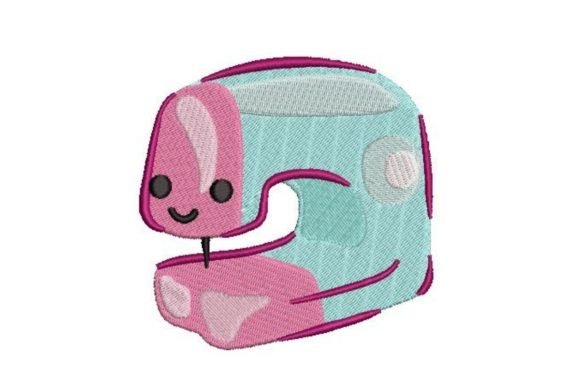
At first glance, Kawaii Style Sewing Machine feels like a breath of fresh air in the world of embroidery. The design exudes a playful and cheerful vibe that immediately makes you think of whimsical characters, pastel colors, and soft curves. It's not just a machine embroidery design—it's an experience. The layout is balanced, with enough detail to feel intentional but not overwhelming. This kind of visual personality fits naturally into projects that aim to bring joy and lightheartedness, like custom tote bags, baby clothes, or holiday-themed gifts.
The theme is clearly aimed at younger audiences or those who appreciate a more whimsical aesthetic. Whether it’s a character design, floral motif, or abstract pattern, Kawaii Style Sewing Machine has a distinct charm that stands out on fabric. I can see this design working well on items like embroidered patches, pillow covers, or even as a decorative element on aprons or kitchen towels.
How Kawaii Style Sewing Machine Performs in Real Projects
When I tested Kawaii Style Sewing Machine on a custom tote bag, the results were impressive. The design stitched cleanly, with smooth satin stitches that gave the image a polished look. The file format was easy to load onto my machine, and the stitch density felt just right—not too heavy for the fabric, but enough to ensure the details stayed sharp.
This design shines on lighter fabrics like cotton or linen, where the colors pop and the texture of the fabric doesn’t interfere with the stitching. For example, when I used it on a sweatshirt, the contrast between the thread color and the fabric made the design stand out without needing any additional embellishments. That said, if you're planning to use it on darker or textured fabrics, I recommend testing it first and adjusting the thread colors accordingly.
Kawaii Style Sewing Machine also works well as an applique design. When layered over a base fabric, it adds dimension and visual interest. I found it especially effective on baby clothes, where the soft and cute nature of the design complements the overall look. It could easily be part of a collection of handmade products sold at craft fairs or listed on Etsy.
For commercial embroidery, this design has potential as a go-to option for small shop products, boutique branding, or personalized gifts. Its versatility makes it suitable for both simple and detailed embroidery projects. However, I would advise caution when using it on curved surfaces like caps or hats—adjusting the hoop size and stabilizer might be necessary to maintain the integrity of the design.
Where to Use Kawaii Style Sewing Machine with Caution
While Kawaii Style Sewing Machine is a great addition to many embroidery projects, there are some scenarios where extra care is needed. For instance, using it on very small hoop sizes may result in loss of detail, especially if the design includes intricate elements like tiny lettering or fine lines. In such cases, scaling down the design carefully or choosing a simpler version of the design might be better.
Thin or stretchy fabrics can also pose challenges. Without proper stabilizer, the fabric may pucker or distort the design during stitching. Dark-colored fabrics require thread colors with good contrast to ensure visibility. Additionally, when using this design on layered garments or items that need frequent washing, durability becomes a factor—especially if the design is on a high-traffic area like a tote bag or apron.
If you’re considering using Kawaii Style Sewing Machine for commercial purposes, always check the licensing terms before selling finished items or digital products. Ensuring that you have the right to use the design in your intended context is crucial for protecting your business and avoiding legal issues.
Design Tips for Using Kawaii Style Sewing Machine
As a designer, I always start by testing Kawaii Style Sewing Machine on scrap fabric before committing to a final project. This helps identify any potential issues with stitch density, thread color contrast, or fabric compatibility. Checking the design in black and white mockups can also reveal how well the details will show up on different backgrounds.
Reviewing the hoop size is another important step. If the design requires a larger hoop than your machine can handle, you may need to adjust the layout or split the design into sections. Inspecting small details like corners and edges is essential to ensure they stitch correctly, especially if the design includes decorative accents or intricate patterns.
Choosing the right stabilizer and thread colors based on the fabric texture and the final product’s purpose is key to achieving professional results. Whether you're creating a handmade product for personal use or preparing a commercial item for sale, these steps help ensure the finished product looks as good as it feels.
Finally, always confirm whether Kawaii Style Sewing Machine works for both personal and commercial projects, and review the license terms carefully. This ensures that your creative work remains compliant and protected.