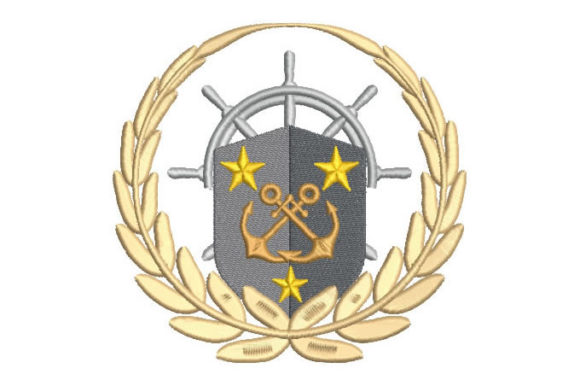
Pirate Shield Embroidery Design Review
First Impressions: A Bold Statement in Stitch
When I first laid eyes on Pirate Shield, it felt like stepping onto a ship deck with the wind in my sails. The design immediately evokes adventure, playfulness, and a sense of boldness that’s perfect for kids but also has enough charm to appeal to adults who love nautical themes. The shield shape is clean and confident, with sharp edges that give it a strong visual presence.
The level of detail is just right—not too busy, not too simple. There are subtle textures in the stitching that suggest a pirate’s gear or armor without being overwhelming. This makes Pirate Shield feel like a natural fit for projects that need a touch of character without sacrificing clarity.
Real-Life Scenario: Custom Embroidered Tote Bag
I imagined using Pirate Shield on a custom embroidered tote bag for a boutique shop selling handmade goods. The fabric was a medium-weight cotton canvas, which is common for tote bags. I stitched out the design on a 6x8 hoop, and the result was impressive. The shield stood out clearly against the fabric, and the stitching held up well even when I tested it by folding the fabric and pressing it gently.
Customers would likely see this as a fun, eye-catching detail—perfect for a themed gift or a unique accessory. It added value to the product without overpowering it, which is key for small shop products and Etsy listings.
However, I noticed that if the background fabric were dark, the contrast might be less striking. In such cases, testing the design on scrap fabric first becomes essential. I recommend checking how thread colors look against different backgrounds before finalizing any project.
Performance in Real Embroidery Projects
Pirate Shield performed well across several applications. On a sweatshirt, the embroidery sat nicely without puckering, especially when paired with a good stabilizer. For baby clothes, the design’s playful nature made it ideal for onesies or bibs, though I’d advise avoiding very stretchy fabrics where the stitches might pull or distort.
In patches, the shield looked great as an applique design, with clear outlines and a nice balance between fill and satin stitches. For caps, I found that the curved surface required careful placement to maintain the integrity of the design. It worked best when centered and given enough space around the edges to avoid distortion.
On items like pillow covers and tea towels, the design added a whimsical touch that elevated the handmade presentation. It’s a versatile asset that can work well for both personal and commercial embroidery projects.
Where to Use with Caution
While Pirate Shield is a solid design, there are some scenarios where it might require extra attention. On small hoop sizes, the details could get lost, so I recommend confirming the minimum hoop size before starting. Textured fabrics may affect how the stitching lays, so testing on a sample piece is always a good idea.
Thin or stretchy fabrics could cause issues with stitch density, especially around the corners of the shield. Using the right stabilizer and adjusting the tension settings on your machine will help prevent these problems. Also, if you plan to use the design on dark fabrics, ensure the thread colors provide enough contrast for visibility.
For products that need frequent washing, like aprons or tote bags, the durability of the stitching should be checked. Reinforcing the area with additional layers of fabric or using a heavier stabilizer might be necessary.
Design Impact and Practical Notes
Pirate Shield adds visual appeal to any project it’s used on. Its bold lines and recognizable shape make it instantly recognizable, which is great for branding or creating a memorable handmade product. Whether it's a personalized gift, a holiday embroidery item, or part of a boutique collection, this design brings a sense of fun and professionalism to the finished product.
As an embroidery designer, I appreciate how it maintains clarity even when scaled. This makes it useful for a range of products, from small patches to large tote bag designs. It also works well in printable mockups, allowing sellers to showcase their designs effectively on Etsy or in craft fair displays.
To get the most out of Pirate Shield, I recommend the following:
- Test the design on scrap fabric first to check how it looks and stitches.
- Review the stitch density and adjust if needed for different fabric types.
- Check thread color contrast against potential fabric backgrounds.
- Confirm the hoop size required and ensure your machine is compatible.
- Inspect small details closely to ensure they stitch out cleanly.
- Use proper stabilizer to prevent shifting or puckering.
- Compare the design in black and white mockups to assess clarity.
- Ensure the file format is suitable for your embroidery machine and software.
- Always confirm licensing terms before selling finished items or digital products.
Pirate Shield is a valuable addition to any embroidery designer’s portfolio. It offers versatility, charm, and practicality—making it a great choice for those looking to add a touch of adventure to their next project. With thoughtful application, it can elevate everything from custom apparel to boutique merchandise.