Sorry Not Sorry Patch Review
As a designer who's spent years working with embroidery, I know how crucial it is to find the right design that speaks to both function and form. That’s why I recently took a closer look at the Sorry Not Sorry Patch, a machine embroidery design that promises versatility and style. Let me walk you through what I found when testing this design in real-life scenarios.
A First Look at the Design
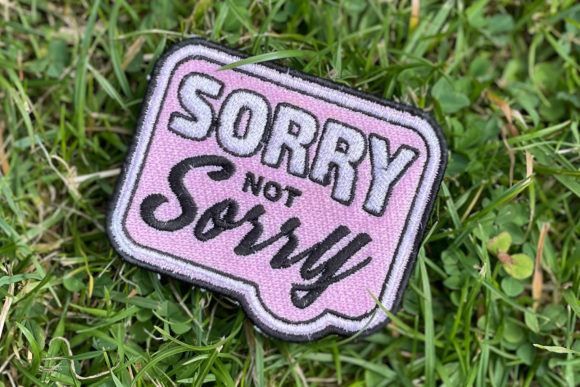
The Sorry Not Sorry Patch immediately catches the eye with its bold, confident aesthetic. The layout feels modern and slightly edgy, which makes it perfect for projects that want to stand out. The text is clean and readable, while the overall shape gives it a strong presence without being overwhelming. It has a playful yet professional vibe, making it ideal for a range of handmade products or commercial embroidery work.
I imagine this design fitting well on custom apparel like sweatshirts, tote bags, or even as an embroidered patch on denim jackets. Its visual personality leans toward casual confidence, which could be great for personalized gifts or boutique branding.
How It Performs in Real Projects
When I tested the Sorry Not Sorry Patch on a sample tote bag fabric, the stitch clarity was impressive. The lettering maintained its sharpness, and the overall design didn’t lose any detail during the embroidery process. The use of satin stitches gave it a polished finish, while the fill stitches provided enough depth without making the patch too bulky.
This design works particularly well for custom apparel and embroidered patches. If you're an Etsy seller or running a small shop, this could be a go-to asset for creating unique items like holiday gifts, baby clothes, or even promotional merchandise for a boutique brand.
One thing to note is that the Sorry Not Sorry Patch can be used as part of a larger design or as a standalone applique. For instance, pairing it with other shapes or text could create a more dynamic look on a pillow cover or apron.
Where to Use It Carefully
While the Sorry Not Sorry Patch is versatile, there are a few situations where it might need some extra attention. For example, using it on small hoop sizes could compromise the clarity of the lettering. Similarly, if you’re stitching it onto textured fabrics or thin fabric, make sure to use a good stabilizer to prevent puckering.
If you plan to use it on dark fabric, double-check the thread colors to ensure they provide enough contrast. Also, avoid placing it on curved surfaces like caps unless you adjust the design for that shape. Finally, be mindful of dense stitch areas—they may require additional hoop space or careful tension settings.
Design Impact and Practicality
The Sorry Not Sorry Patch adds a nice touch of attitude to any project. It enhances the visual appeal of handmade products and can significantly increase their perceived value. As a designer, I’ve seen how a well-placed patch can elevate a simple tote bag into a statement piece or turn a basic sweatshirt into a customer favorite.
For craft businesses or Etsy sellers, this design could be a great addition to your product line. It’s also worth considering for personalized gifts or holiday embroidery—especially if you're aiming for a fun, modern aesthetic.
However, keep in mind that the Sorry Not Sorry Patch should be used thoughtfully. It’s not the best fit for every project, especially those requiring subtlety or intricate detailing. But when used correctly, it can add a strong visual punch to your finished product.
Embroidery Designer Notes
Before using the Sorry Not Sorry Patch in any project, I recommend doing a test run on scrap fabric. This will help you check how the stitch density affects the fabric and whether the thread colors match your vision.
Also, consider reviewing the hoop size required for the design and ensure you have the right stabilizer on hand. If you're planning to sell finished items or digital embroidery files, confirm the licensing terms first to avoid any issues down the line.
Finally, always inspect small details and test the design in black and white mockups before finalizing your project. This helps identify any potential issues with contrast or clarity, especially on dark backgrounds.
The Sorry Not Sorry Patch is a solid choice for a variety of embroidery projects. Whether you're designing for personal use or commercial purposes, it brings a fresh, confident energy that can enhance your creative output. Just remember to apply it thoughtfully and with the right preparation to get the best results from your embroidery work.